


Google Shares Local Services Ads (LSA) Guides for Performance Max: Everything You Need to Know
Google is moving Local Services Ads into Google Ads through a specialized Performance Max campaign with pay-per-lead goals. The migration will keep core LSA features while bringing campaign management, budgets, leads, and reporting into one platform. The rollout begins in the US in August 2026 and will expand to more advertisers and countries through 2027. Advertisers should review account details, export historical reports, and monitor lead performance closely after migration.
07 Aug, 2026
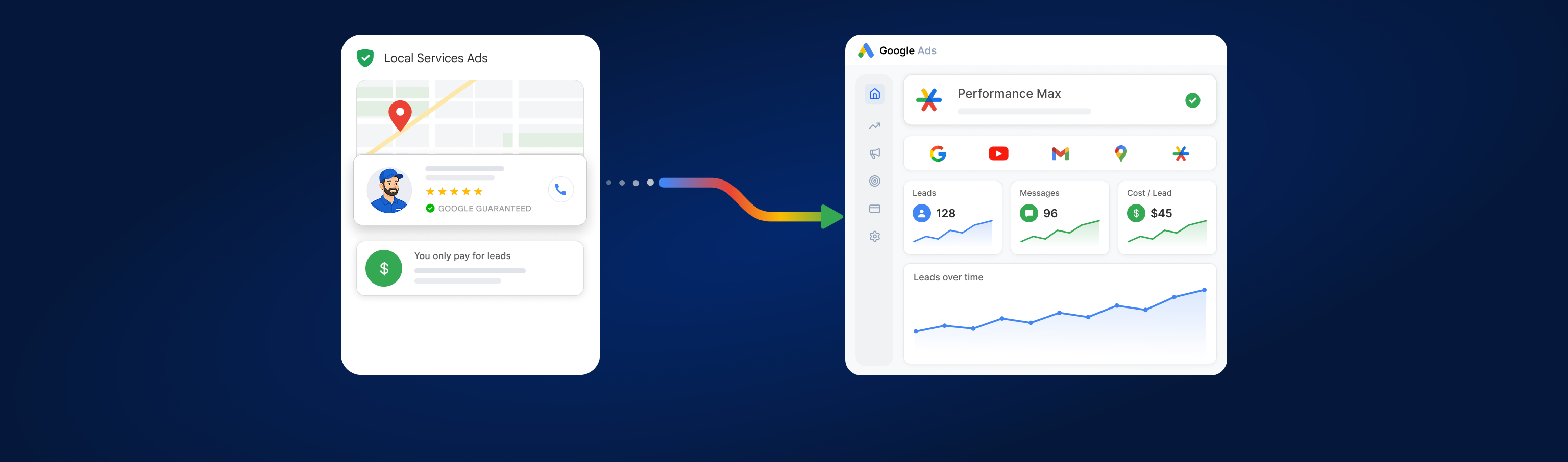
Google has released a series of official support guides to help advertisers prepare for the Local Services Ads Performance Max migration into Google Ads through a new Performance Max campaign with pay-per-lead goals.
This marks one of the biggest structural changes to Google Local Services Ads since the product was launched. Rather than managing LSAs in a separate platform, eligible advertisers will soon manage them directly inside Google Ads.
While Google announced the Local Services Ads migration earlier this year, these new guides provide much more detail on how the transition will work, what will change, and what advertisers should do before their account is migrated. Google has also published official documentation explaining how the migration will work, which advertisers can review in the Google Ads Help Center.
What's new?
Historically, Local Services Ads have operated through their own dedicated dashboard, separate from Google Ads.
Google is now bringing Google Local Services Ads into Google Ads by creating a specialised Google Ads Performance Max campaign designed specifically for pay-per-lead advertising.
Importantly, this is not the same as a standard Performance Max campaign.
Instead, Google is using the Performance Max infrastructure while preserving the core Local Services Ads experience.
What stays the same?
Google has confirmed that many of the core LSA features advertisers rely on will remain unchanged.
These include:
-
You continue to pay only for valid leads, not clicks.
-
Ads continue to appear primarily on Google Search and Google Maps.
-
Campaigns remain keywordless.
-
Google continues matching customers using your business profile, service categories and service areas.
-
Lead dispute processes remain available.
For many advertisers, lead generation will work much the same way as it does today.
What is changing?
The biggest change is where and how campaigns are managed.
After migration, advertisers will manage:
-
Campaigns
-
Budgets
-
Leads
-
Messages
-
Reporting
directly inside Google Ads, removing the need to switch between two separate platforms.
Google Business Profile information will automatically sync into campaigns, making setup and ongoing management more streamlined.
Why is Google making this change?
Google's objective is to simplify campaign management by bringing more advertising products into a single platform.
Over the past few years, Google has gradually consolidated campaign types and introduced AI-powered management tools.
Examples include:
-
Performance Max
-
AI Max
-
Merchant API
-
Unified Merchant Center
-
Expanded Performance Max reporting
Moving Local Services Ads Performance Max into Google Ads is another step towards that unified ecosystem.
For advertisers already using Performance Max campaigns, it's also worth reviewing recent platform changes, including Google's Performance Max household income exclusions update, to better understand how ongoing campaign enhancements may impact account management.
Migration timeline
Google has confirmed a phased rollout:
August 2026
-
Selected home service and storefront businesses in the United States begin migrating.
Late 2026
-
Additional service-area businesses and advertisers with more complex bidding configurations are included.
2027
-
Remaining countries and business categories will migrate.
Google will notify advertisers approximately 14 days before their migration date.
What should advertisers do before migration?
Google recommends preparing your account before migration begins.
We also recommend:
-
Export historical Local Services Ads reports.
-
Review your Google Business Profile information.
-
Ensure business categories and service areas are accurate.
-
Familiarise yourself with managing campaigns inside Google Ads.
-
Monitor performance closely after migration.
Although Google aims to preserve campaign performance, it's good practice to benchmark lead volume, cost per lead and lead quality before and after migration.
Will campaign performance change?
Google has stated that the migration is designed to minimise disruption.
However, advertisers should expect some operational changes as campaigns begin using the new Google Ads interface.
As with any major platform migration, it's sensible to monitor:
-
Lead volume
-
Cost per lead
-
Lead quality
-
Budget pacing
-
Reporting consistency
during the first few weeks after migration.
Who is affected?
This update primarily affects businesses currently using Google Local Services Ads, including sectors such as:
-
Plumbing
-
HVAC
-
Electrical services
-
Roofing
-
Pest control
-
Appliance repair
-
Cleaning services
-
Moving companies
The rollout will expand to additional service categories over time.
Key Takeaways
|
Topic |
Update |
|
What's changing? |
Local Services Ads will be managed within Google Ads |
|
Campaign type |
Performance Max with pay-per-lead goals |
|
Payment model |
Still pay only for valid leads |
|
Ad placements |
Search and Maps remain the primary placements |
|
Rollout |
Begins August 2026 (US), expanding through 2027 |
|
Action required |
Prepare for migration and review account setup |
ShoppingIQ Recommendation
This update is about simplifying campaign management, not changing how Local Services Ads fundamentally work.
Advertisers should use the migration period as an opportunity to:
-
Export historical reports before migration.
-
Review their Google Business Profile.
-
Ensure business information is up to date.
-
Familiarise themselves with the new Google Ads workflow.
-
Monitor campaign performance after migration.
Google has designed the transition to minimise disruption, but as with any platform change, keeping a close eye on performance during the first few weeks will help identify any issues early.
If you're looking to maximise your ecommerce and retail advertising performance, explore ShoppingIQ's guide to Google Shopping Ads to learn how optimised product feeds and campaign strategies can improve visibility and conversions.
Final Thoughts
Google's decision to bring Local Services Ads Performance Max into Google Ads reflects its broader strategy of creating a unified, AI-powered advertising platform.
For advertisers, the biggest day-to-day benefit will be managing campaigns, budgets and reporting from a single interface instead of switching between multiple products.
While the underlying LSA model remains largely unchanged, understanding the Local Services Ads migration timeline and preparing your account now will help ensure a smoother transition when your business is selected for migration.