



Google Merchant Center Conversational Attributes: What Retailers Need to Know
Google’s new Conversational Attributes signal a shift in Merchant Center from traditional feed optimisation to AI-driven product understanding. By providing richer product data such as FAQs, product relationships, and supporting documentation, retailers can help AI better understand customer needs and product relevance. Brands that invest in comprehensive, structured product information today will be better positioned for the future of AI-powered shopping and product recommendations.
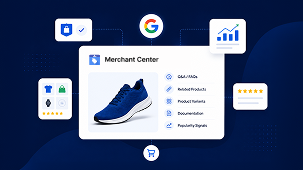
These attributes allow merchants to share additional information such as FAQs, related products, documentation, product variants, and popularity signals. While currently optional, they offer an early indication of how Google is preparing Merchant Center for the future of AI-driven commerce.
Why Does This Matter?
For years, feed optimisation has focused on helping Google understand what a product is through titles, descriptions, GTINs, and categories.
As shopping becomes increasingly AI-driven, the focus is shifting towards helping AI understand:
-
Who a product is for
-
What problem it solves
-
How it compares to alternatives
-
Which products work together
-
Why it should be recommended
In short, product data is evolving from a search asset into a knowledge asset.
What Should Retailers Do Now?
There is no need for immediate structural changes, but brands should begin preparing by:
-
Improving product descriptions
-
Building richer product knowledge
-
Expanding FAQs and supporting documentation
-
Strengthening product relationship data
-
Maximising Merchant Center attribute coverage
The more complete and structured the product information, the easier it becomes for AI systems to understand and recommend products accurately.
Our View
Conversational Attributes may be optional today, but they highlight a much bigger trend.
Google is steadily moving towards AI-powered product discovery, recommendation, and decision-making. As a result, feed optimisation is likely to evolve beyond keywords and search terms towards product understanding, relationships, and customer intent.
Retailers that invest in richer product data now will be better positioned to benefit as AI shopping experiences continue to expand.
The future of feed optimisation may not be about helping Google understand what a product is. It may be about helping AI understand why it is the right product for a specific customer.
For a deeper dive into optimising your product feeds for Google Shopping, check out this comprehensive guide on Google Shopping Ads.







No comments yet.